
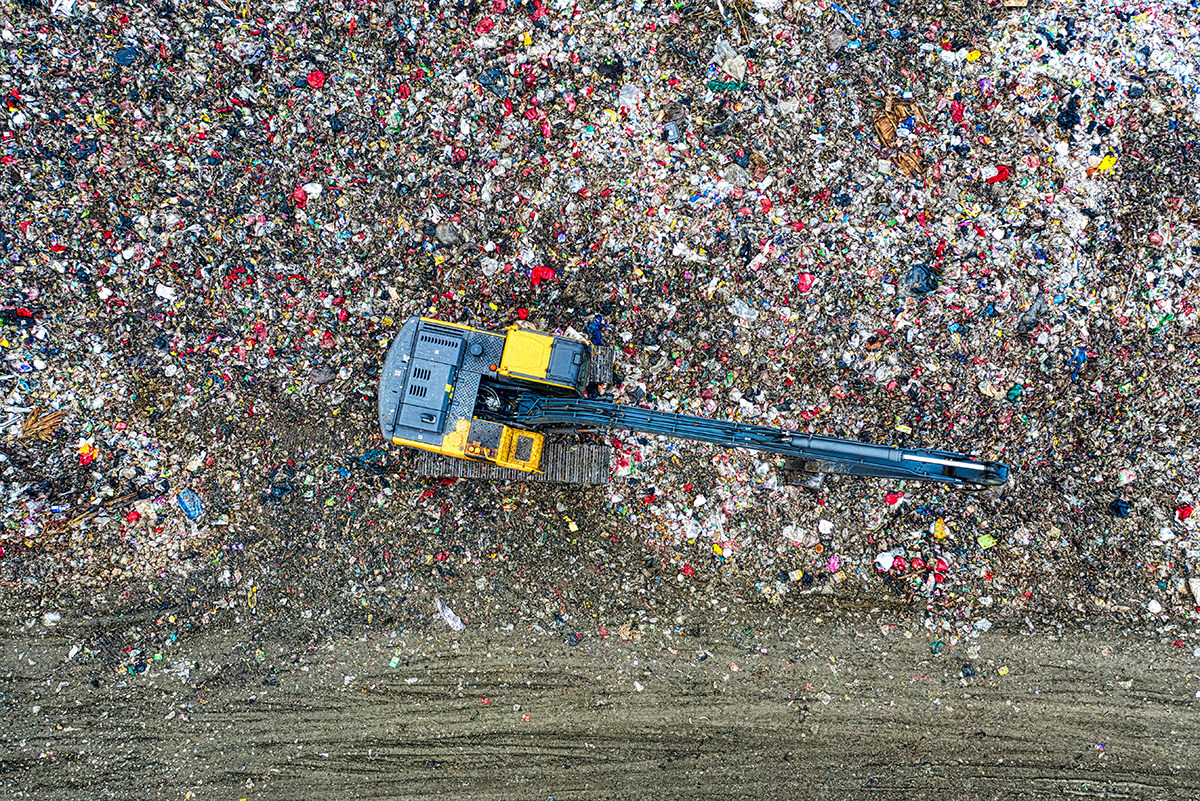
pharaohs Company provides all transportation services for all types of accumulations and all types of equipment at the lowest cost and in the fastest time.Efficient Solid Waste Transportation: Navigating the Path to Sustainable Waste Management.
Introduction: In the rapidly growing urban landscapes of today, effective solid waste transportation is a critical component of a comprehensive waste management strategy. The transportation of solid waste involves intricate processes aimed at ensuring the timely and eco-friendly removal of waste materials. This article explores the challenges and innovations in solid waste transportation and highlights the importance of sustainable practices in waste management.
Challenges in Solid Waste Transportation :-
- Increasing Volumes: With urban populations on the rise, the volume of solid waste generated is escalating, necessitating efficient systems for collection and transportation.
- Environmental Impact: Inadequate waste transportation practices can lead to environmental pollution, adversely affecting air and water quality, as well as contributing to soil degradation.
- Resource Sustainability: Embracing sustainable methods is crucial to managing resources effectively, including the promotion of recycling, reuse, and reduction of waste.
Improving Solid Waste Transportation :-
- Advanced Technologies: Integration of advanced technologies, such as GPS tracking and route optimization, enhances the efficiency of waste transportation, minimizing fuel consumption and reducing environmental impact.
- Infrastructure Enhancement: Investment in infrastructure upgrades, including well-maintained roads and waste transfer stations, facilitates smoother waste transportation and reduces congestion.
- Training and Awareness: Providing training for waste management personnel and creating public awareness campaigns about proper waste disposal contribute to the success of waste transportation systems.
Successful Case Studies: :-
- Source Separation Programs: Implementing programs that encourage source separation of waste at the point of origin facilitates easier sorting and transportation, promoting recycling and reducing landfill waste.
- Renewable Energy Integration: Adopting renewable energy sources, such as electric or hybrid waste collection vehicles, reduces the carbon footprint of waste transportation.
- Innovative Container Designs: The development of efficient and user-friendly waste containers improves the loading and unloading processes, streamlining waste transportation operations.
The Path to Sustainable Solid Waste Transportation :-
- Collaboration and Regulation: Governments, private sectors, and communities must collaborate to establish and enforce regulations that promote sustainable waste transportation practices.
- Circular Economy Principles: Embracing the principles of a circular economy involves minimizing waste generation, maximizing resource efficiency, and encouraging the continuous use of materials.
- Community Engagement: Engaging communities in waste management initiatives fosters a sense of responsibility and encourages active participation in sustainable waste disposal practices.
Conclusion
Efficient and sustainable solid waste transportation is paramount in the pursuit of effective waste management. By addressing the challenges through technological advancements, infrastructure improvements, and community involvement, we can create a future where waste transportation is not only efficient but also environmentally responsible. It is through such holistic approaches that we pave the way towards cleaner, healthier, and more sustainable urban environments.


